
by Book Editor | May 7, 2021 | Book
“[T]he wishes and the selfishness of the individual must appear as nothing and submit,” declares Hitler in Mein Kampf; a man must “renounce putting forward his personal opinion and interests and sacrifice both. . . .” The political implementation of “subservience to...
by Book Editor | Apr 14, 2021 | Book
You cannot understand, because this world cannot be understood; such was the first part of the message broadcast to the prisoner by all the man-degrading, soul-destroying conditions he encountered, including the living standards incompatible with life, the rules...
by Book Editor | Mar 21, 2021 | Book
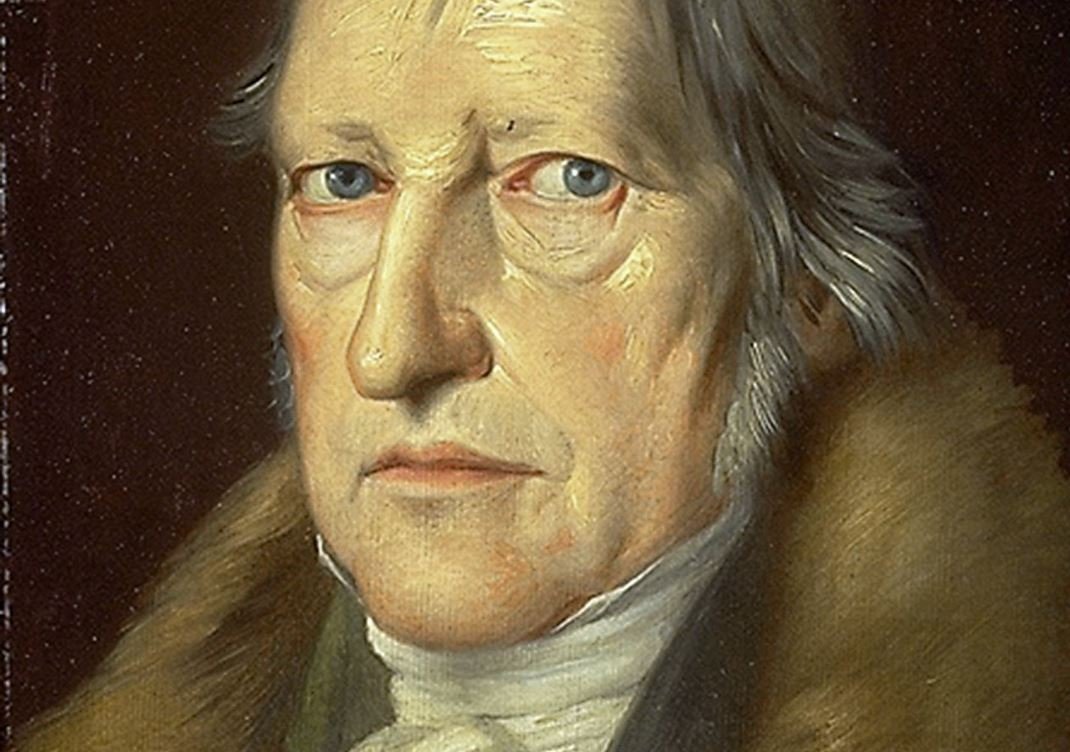
Hegel is a post-Kantian Platonist. Taking full advantage of the anti-Aristotelianism sanctioned by Kant, Hegel launches an attack on the root principles of Aristotle’s philosophy: on the principles of Aristotelian logic (which even Kant had not dared to challenge...

by Book Editor | Feb 28, 2021 | Book
In presenting this theory [of logic, Nazi philosopher Lothar] Tirala gives no indication of the nature of Aryan logical principles (nor does any other Nazi). His concern is to denounce, not to define. What he denounces is Aristotelian logic…. Aristotle, Tirala writes,...
by Book Editor | Jan 14, 2021 | Book
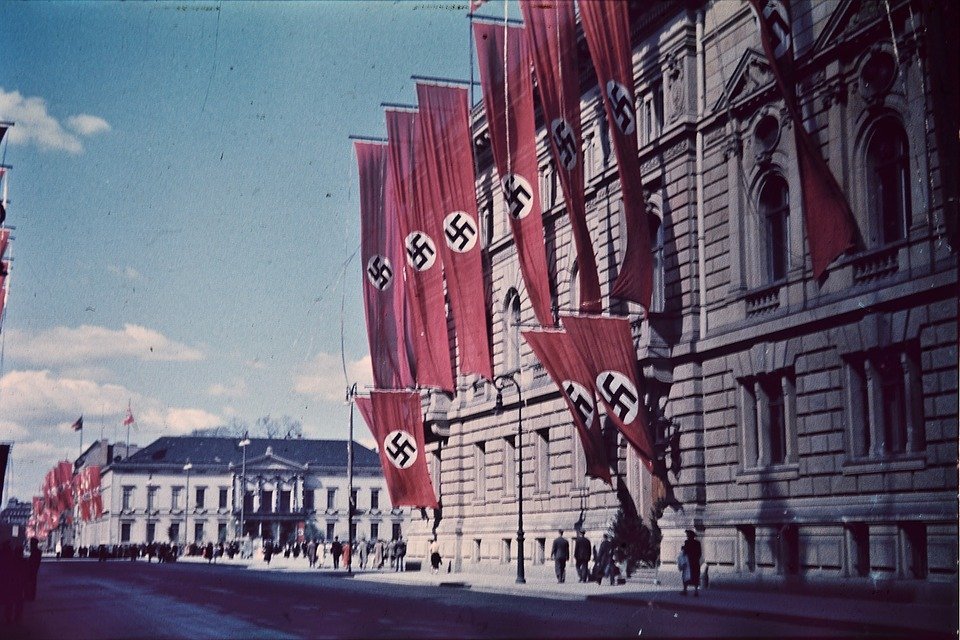
“The Third Reich has not inscribed happiness on its banners, but virtue.” (Kurt Gauger) “Education to the heroic life is education to the fulfillment of duty”—which is what makes “the difference between this [Nazi] world of heroic self-sacrifice and the liberalistic...
by Book Editor | Dec 20, 2020 | Book
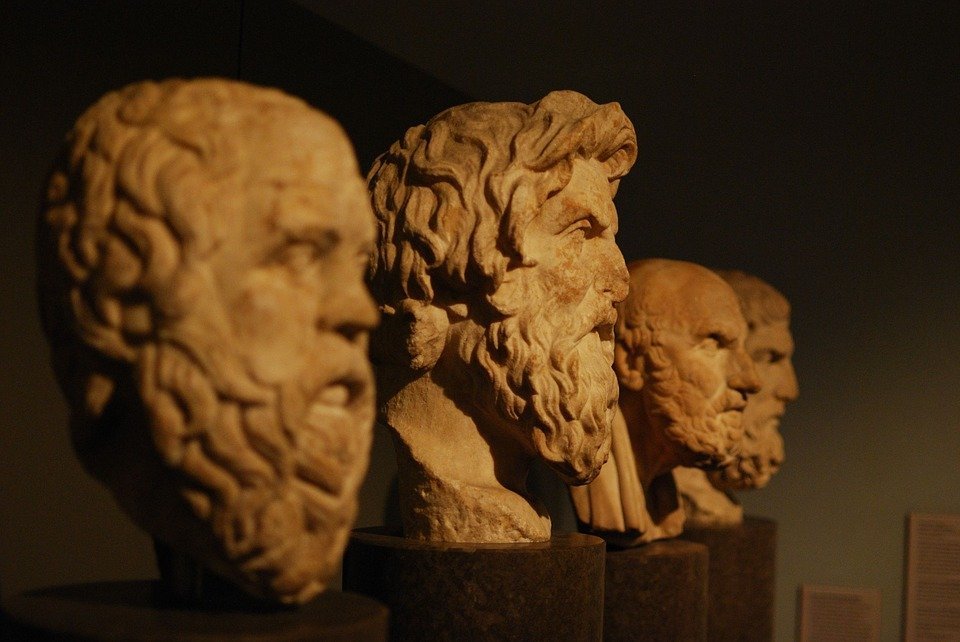
In any process of cognition, according to Kant, whether it be sense experience or abstract thought, the mind automatically alters and distorts the evidence confronting it. It filters or structures the material it receives from reality, in accordance with a set of...
