
by Book Editor | Dec 7, 2021 | Book
Moral laws, according to Kant, are a set of orders issued to man by a nonheavenly, nonearthly entity (which I shall discuss shortly), a set of unconditional commandments or “categorical imperatives”—to be sharply contrasted with mere “counsels of prudence.” The latter...

by Book Editor | Nov 14, 2021 | Book
Professor L. G. Tirala, a philosophically trained Nazi ideologist, sees beyond the obvious romanticist sources of this attitude. He traces the Nazi activism to the two-world philosophy of Kant (which in turn he ascribes to Kant’s “Aryan” nature). Kant’s view, he...

by Book Editor | Oct 21, 2021 | Book
The experimental findings of the Nazi “laboratories” can be reduced to a single statement: total domination over man requires philosophical disarmament—after which, nothing much, and little human, is left of the victim. In the ultimate stage of the lust for power,...
by Book Editor | Sep 21, 2021 | Book
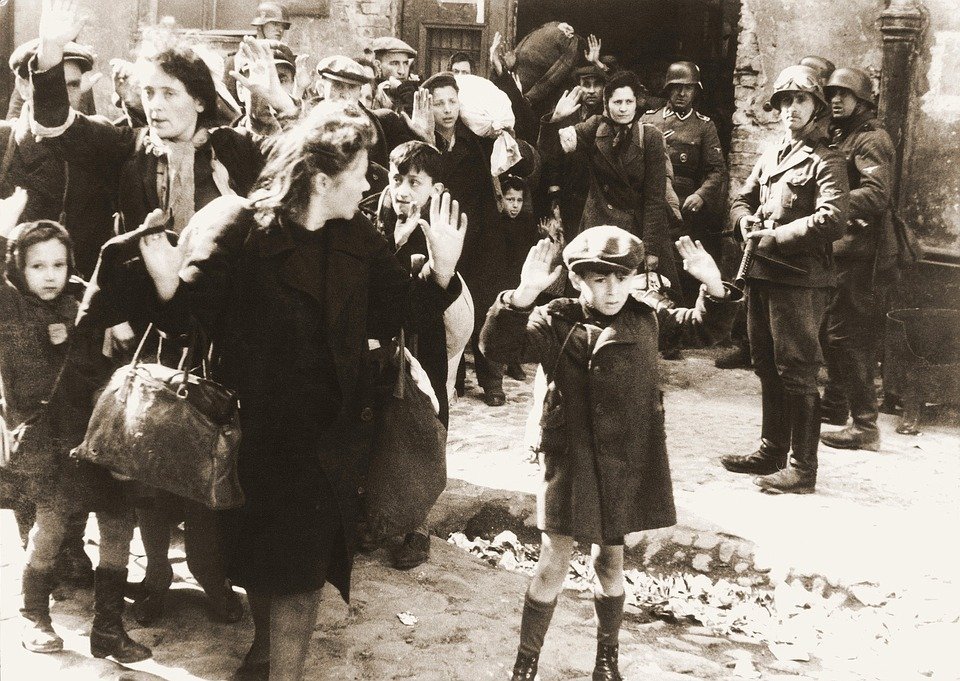
The base of human knowledge is the evidence provided by the senses, which are man’s primary means of contact with reality. The camps did not restrict their concern to the higher reaches of cognition and evaluation; they went all the way, down to the root. The...

by Book Editor | Aug 28, 2021 | Book
The Nazis preached a certain philosophy—and they carried it out in action. They preached authority above rights, the group above the individual, sacrifice above happiness, nihilism above morality, feelings above facts, pliability above absolutes, obedience above...
